Posts

Showing posts with the label ROI

Morne Patterson - A Beginner's Guide to the Secrets of Successful Investing

Image
  ‍ Image Source: Unsplash‍   Understanding the Basics of Investing Investing can seem like a complex and intimidating world to enter, but with the right knowledge and guidance, anyone can be successful. As a beginner, it's important to start by understanding the basics of investing. At its core, investing involves allocating money into various assets with the expectation of generating a return over time. Its important to have a clear understanding of your financial goals and risk tolerance before diving into the world of investments. One key aspect of investing is setting investment goals. These goals serve as a roadmap for your investment journey. They can be short-term, such as saving for a deposit on a house, or long-term, such as planning for retirement. By identifying your goals, you can align your investments with the desired outcomes and track your progress along the way. Additionally, setting specific and measurable goals will help you stay disciplined and focused on ...
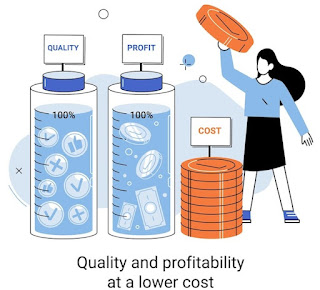
Morne Patterson - How to Maximise ROI in Your Small Business with Efficient Systems and Processes

Image
  Image Source: FreeImages ‍ Understanding ROI and its importance for small businesses In today's competitive business landscape, maximising ROI is important for the success and growth of small businesses. ROI measures the profitability of an investment and helps business owners make informed decisions. As a small business owner, understanding ROI and its importance can significantly impact your bottom line. ROI is a key metric that determines the financial success of your business. It calculates the profit generated from an investment relative to the cost of that investment. By focusing on maximising ROI, you focus on higher yielding opportunities, and ensure that every cent you invest in your business generates a return. The role of efficient systems and processes in maximising ROI Efficient systems and processes play an important role in maximising ROI for small businesses. When your operations are streamlined and well-organised, you can minimise waste, increase prod...

Morne Patterson - Capital Budgeting Strategies for Corporate Growth

Image
  In the world of corporate finance, one of the important aspects that influence a company’s growth is capital budgeting. This process involves evaluating and selecting long-term investment opportunities that align with the organisation’s goals, aiming to allocate financial resources efficiently with the highest returns. Let’s consider techniques and processes involved in effective capital budgeting, highlighting its role in influencing corporate growth.   Understanding Capital Budgeting Capital budgeting refers to the process of analysing potential investment opportunities in assets that have long-term implications, such as acquiring property, expanding facilities, launching new products, or entering new markets. The primary goal is to allocate capital wisely to investments that generate maximum returns and add value to the company.   Techniques Involved in Capital Budgeting Net Present Value (NPV): NPV is a fundamental technique used in capital ...

Morne Patterson - Exploring Indemnification Holdbacks

Image
  Venturing into business acquisitions opens the door to growth and opportunities, yet it also demands a measured approach to safeguard your investment. Protecting your interests is an important consideration. Among the strategies available to ensure a smooth transition of ownership, indemnification holdbacks can significantly derisk your investment. In this article I will explain what an indemnification holdback is, their typical mechanisms, and role in protecting investors throughout the acquisition process.   Understanding Indemnification Holdbacks   Indemnification holdbacks, within the context of business acquisitions, serve as a tactic to handle potential risks and liabilities linked with the acquired business. These holdbacks work by retaining a portion of the purchase price for a specified period following the deal's closure. This reserved amount acts as a safeguard against concealed liabilities, breaches of warranties, or contingent obligations that might...